English Bitter Recipe: The Pub Classic You Can Brew on a Weeknight
This article may contain affiliate links. If you make a purchase through these links, we may earn a small commission at no extra cost to you. This helps us keep creating free content.
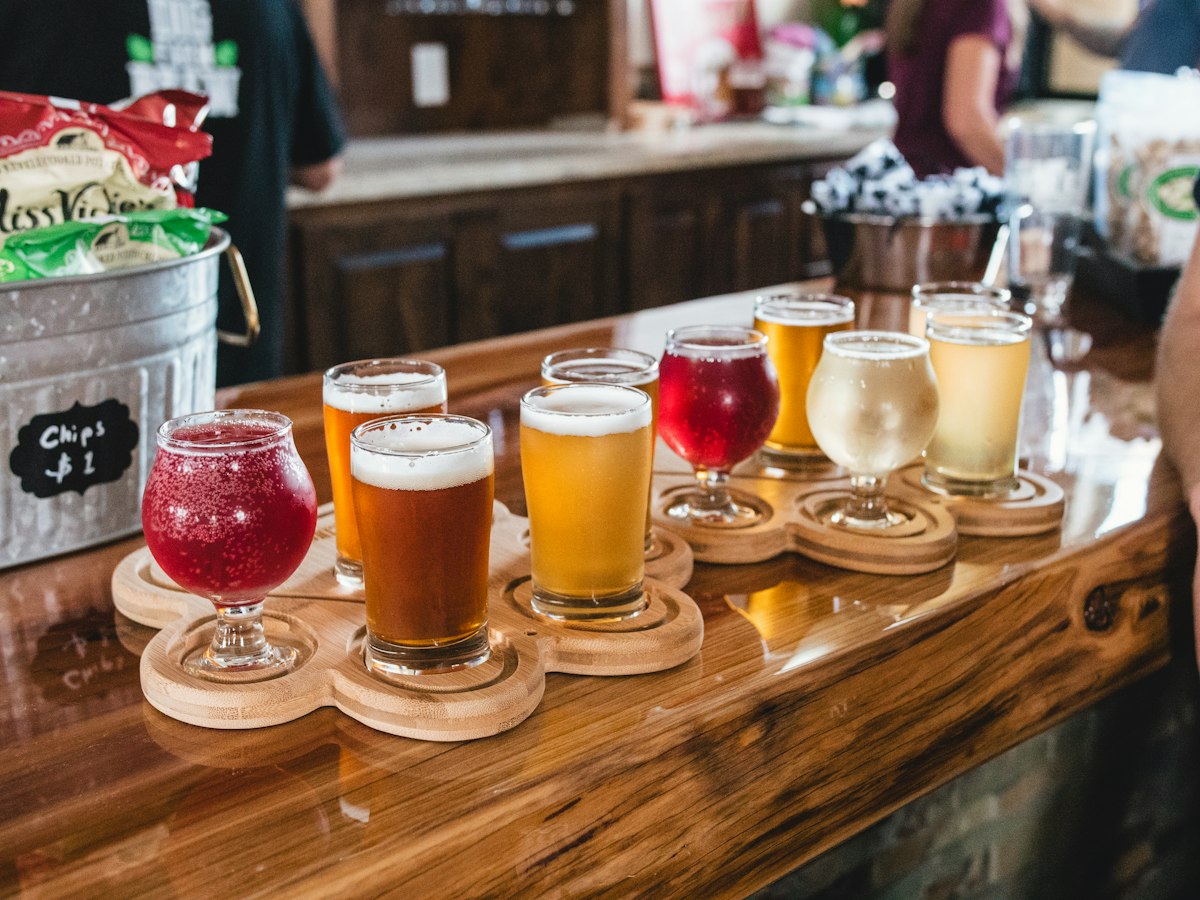
English bitter might be the most underrated style in homebrewing. While everyone's busy dry-hopping their seventh IPA of the year, this unassuming pub classic sits quietly in the corner, being delicious, crushable, and absurdly easy to brew. It's the kind of beer you drink three pints of before realizing you've had three pints, and that's exactly the point.
Bitters are worth brewing for anyone who wants something to drink on a Tuesday without regretting it on Wednesday. The style teaches more about malt character, balance, and restraint than any hop bomb ever could.
What Makes a Bitter a Bitter
The name is misleading. English bitters aren't particularly bitter by modern standards. An ordinary bitter clocks in at 20-35 IBUs, less than most American pale ales. The "bitter" label is a historical artifact, distinguishing these hopped ales from sweeter mild ales.

What defines the style is balance and drinkability. You want biscuity, toasty malt up front. Earthy, floral English hops in the middle. A dry, clean finish that makes you reach for the glass again. And critically, you want it at session strength, 3.2% to 3.8% ABV for ordinary bitter, up to 4.6% for best bitter.
The Recipe
This targets an ordinary bitter at around 3.8% ABV. It's a 5-gallon all-grain batch, but you could scale down to 2.5 gallons if you want to test it first.
Grain bill: 6 lbs Maris Otter (this is non-negotiable, Maris Otter IS English bitter), 8 oz Crystal 60L, 4 oz Victory malt, 2 oz Biscuit malt. That's it. Simple grain bills make better bitters.

Hops: 1 oz East Kent Goldings at 60 minutes (about 25 IBUs), 0.5 oz Fuggles at 15 minutes, 0.5 oz East Kent Goldings at flameout. No dry hops. This isn't that kind of beer.
Yeast: Wyeast 1968 London ESB or White Labs WLP002. Both produce that slightly fruity, malty English character with moderate flocculation. Ferment at 66-68°F.
Water: If your water is soft, add a teaspoon of gypsum to the mash. English bitters historically came from hard water regions, and the sulfate accentuates hop bitterness in a pleasant, dry way.
Brew Day Notes
Mash at 154°F for 60 minutes. The slightly higher mash temp gives you a touch more body, which matters when you're working with a low-gravity beer. A thin, watery bitter is a sad bitter. Sparge as usual and collect about 6.5 gallons of wort for a 60-minute boil.

Your OG should land around 1.038-1.040. If it comes in a bit low, don't sweat it. Ordinary bitters were traditionally brewed to be light. Nobody's judging you for a 3.5% beer.
Fermentation is fast. At 67°F, you'll see activity within 12 hours, and primary will be done in 4-5 days. Let it sit for another 3-4 days to clean up, then package. Total grain-to-glass time can be under two weeks if you keg and force carbonate.
Carbonation and Serving
Here's where a lot of homebrewers go wrong with English styles: they over-carbonate. A bitter should be gently carbonated, around 1.5 to 2.0 volumes of CO2. If you're kegging, set your regulator to 6-8 PSI at 38°F and be patient. If you're bottling, use about 2.5 oz of corn sugar for a 5-gallon batch instead of the usual 4-5 oz.
The best bitters are also the simplest. Four ingredients in the grain bill, two hop additions, and the kind of restraint that only comes from accepting that sometimes less really is more.
Serve it at cellar temperature if you can, around 50-55°F. I know that sounds warm to Americans, but trust me on this. Cold temperatures mute the malt character that makes this beer special. If all you taste is cold and fizzy, you're missing the point.
Variations Worth Trying
Once you've brewed the base recipe, try swapping Fuggles for Challenger hops, it adds a spicy, cedary note that works beautifully. Or replace the Victory malt with amber malt for a more rustic, toasty character. If you want to push into best bitter territory, bump the Maris Otter to 7.5 lbs and add an extra half-ounce of bittering hops.
English bitter rewards patience and subtlety. It's not flashy. It won't win you bragging rights at a homebrew competition full of imperial stouts and triple IPAs. But it might become the beer you brew most often, the one you always have on tap, the one your non-beer-nerd friends actually ask for, the one that reminds you why you started brewing in the first place.
⚠️Disclaimer: This article is for informational purposes only. Fermenting and brewing require strict food hygiene — including correct fermentation times, temperatures, and cleanliness. Home-brewed beverages may contain alcohol. When in doubt, consult a food safety expert.
Published by the Home Brew Press editorial team. Published September 22, 2026.
Editorial responsibility: see Imprint.
Spotted an error or have something to add? corrections@homebrewpress.com
Brew Better Every Batch
Recipes, gear tips, and brewing science — delivered fresh every Thursday.
🎁 Free bonus: First Batch Brewing Guide (PDF)